Digital Image Correlation + Bayesian Inference
Full-field optical strain measurement combined with probabilistic uncertainty quantification for structural material characterization.
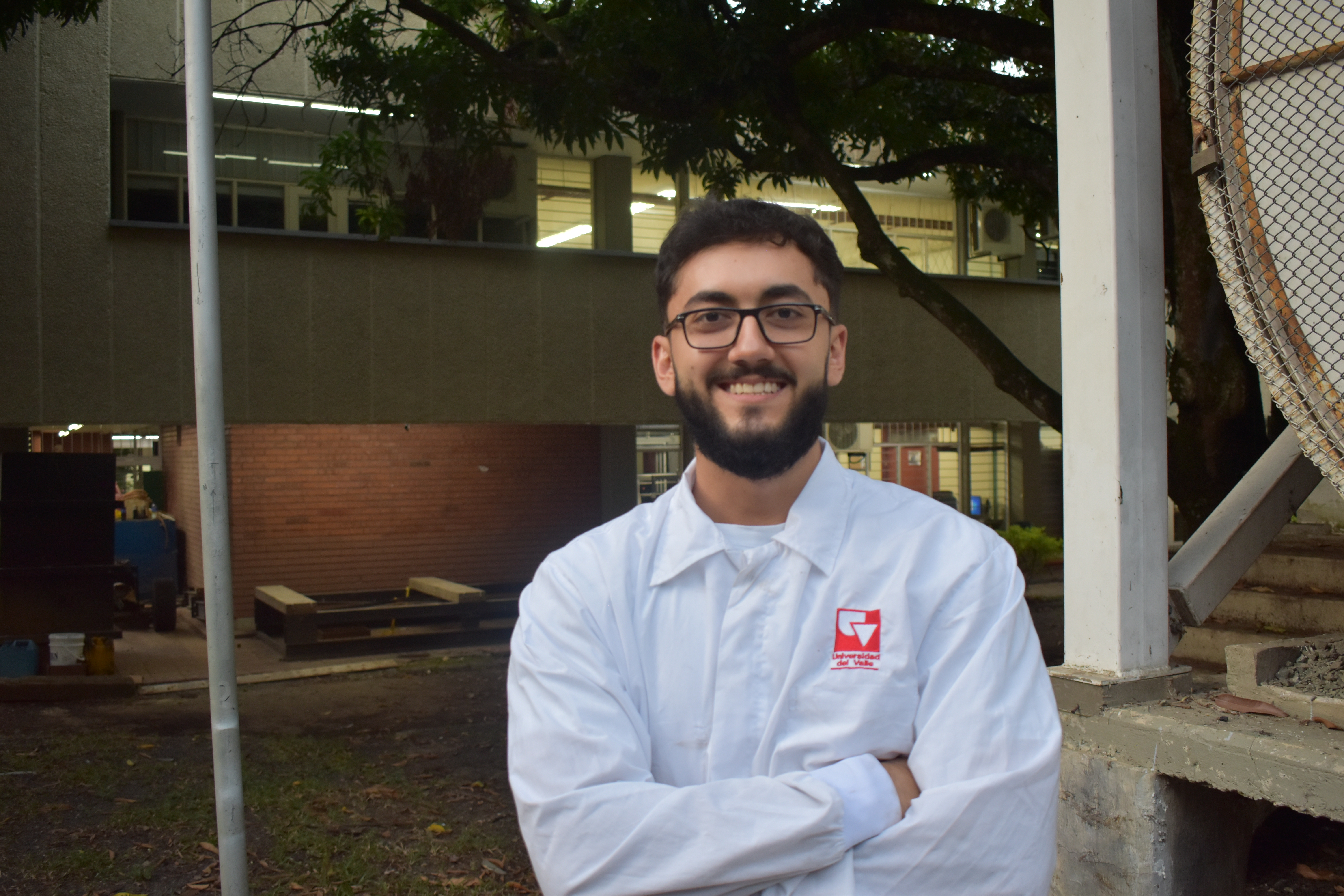
Juan Manuel Orozco Henao — Civil Engineer, Universidad del Valle · Cali, Colombia
2.5 years of research · Research Monitor (G-7 Group) + Undergraduate Thesis
Overview
This research applies Digital Image Correlation (DIC) — a non-contact, full-field optical measurement technique — to characterize the mechanical behavior of structural materials: reinforced concrete and structural steel. The work spans two overlapping projects:
- › G-7 Research Group (Universidad del Valle): 2D DIC on full-scale concrete beams as part of a structural monitoring research initiative. Role: research monitor — responsible for DIC implementation, sensor installation, and beam fabrication up to 5.5 m in length.
- › Undergraduate Thesis: 3D DIC on concrete cylinders combined with Bayesian inference to produce probabilistic estimates of the Modulus of Elasticity of Concrete.
A manuscript based on the thesis is currently under review at the ACI Structural Journal, and the work was presented at the XI National Congress of Seismic Engineering (CNIS XI, 2024), Bucaramanga, Colombia.
Why this matters: Traditional methods for estimating material properties like the Modulus of Elasticity rely on point measurements and code-defined formulas. DIC provides spatially distributed, full-field strain data that reveals local behavior invisible to conventional sensors — making it a foundational technology for AI-driven structural monitoring, inspection, and digital twins.
| Specimen | Project | DIC Method | Software | Additional Instrumentation |
|---|---|---|---|---|
| Concrete beams (up to 5.5 m) | G-7 Research Monitor | 2D DIC | Ncorr (MATLAB) | Strain gauges, LVDTs |
| Concrete cylinders (150×300 mm) | Undergraduate Thesis | 3D DIC (stereo) | DuoDIC (MATLAB) | Strain gauges, LVDTs |
| Steel reinforcing bars | Undergraduate Thesis | — (no DIC) | — | LVDTs, strain gauges |
Part 1 — Beam Tests
G-7 Research Group · 2D DIC
The G-7 Structural Engineering Research Group investigates the behavior of reinforced concrete structural elements. As a research monitor, I contributed to the fabrication, instrumentation, and DIC-based measurement of full-scale concrete beams.
Beam Fabrication
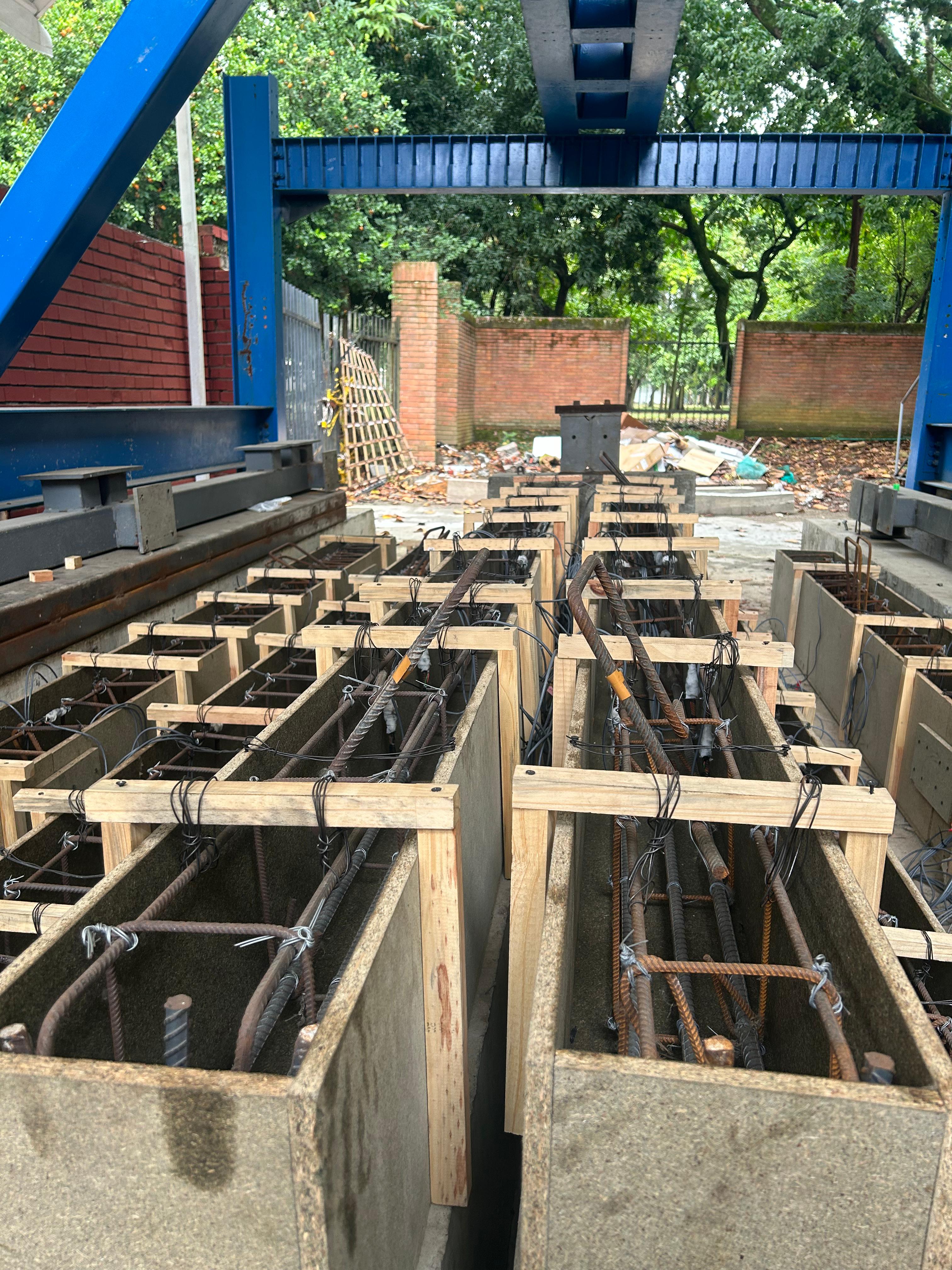
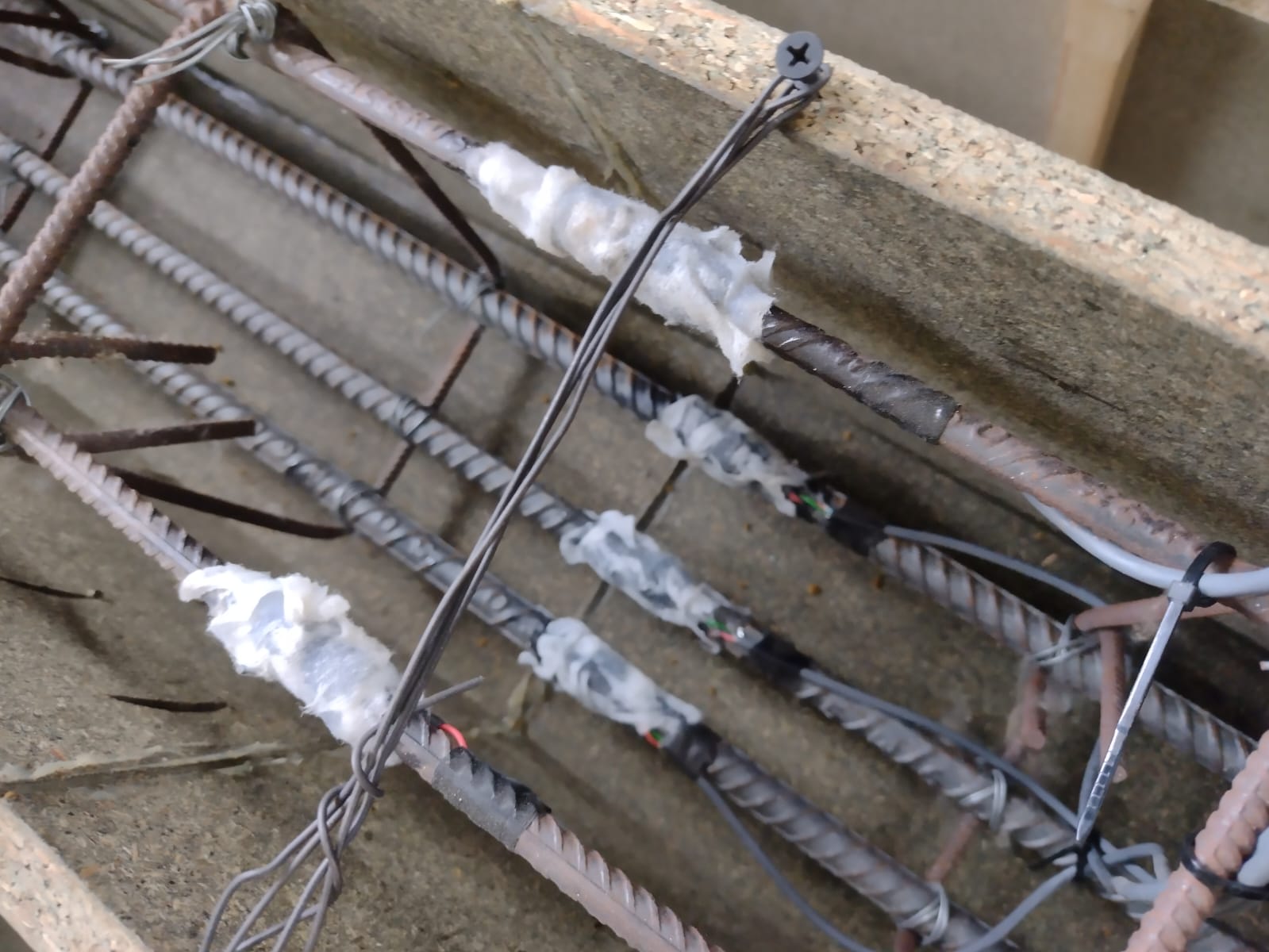
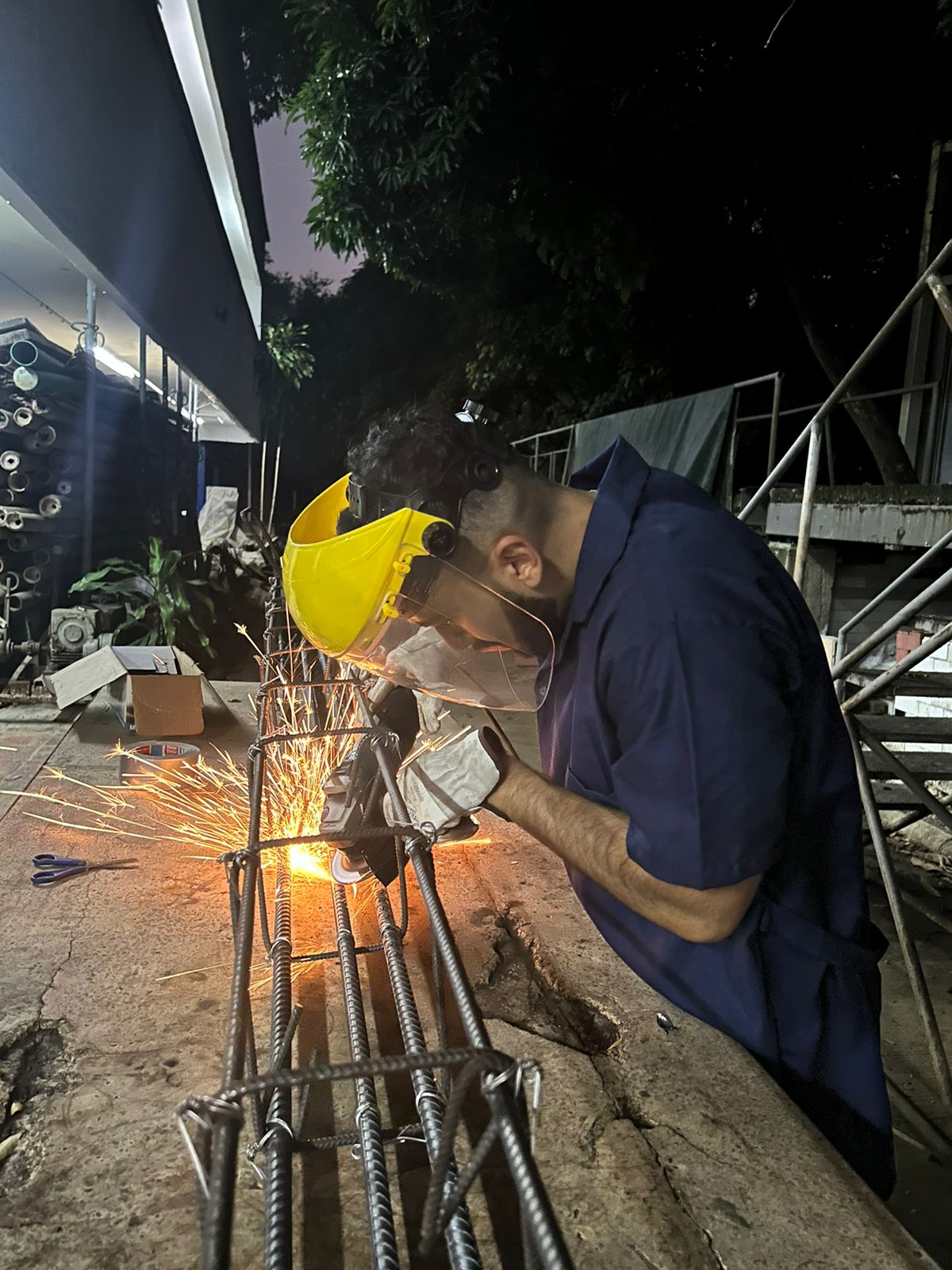
Concrete beams of up to 5.5 meters in length were designed, reinforced, and cast in-house at the Structures Laboratory. This included cutting and assembling the steel rebar cages, placing strain gauges on the internal reinforcement before casting, and preparing the wooden formwork.
2D DIC Setup
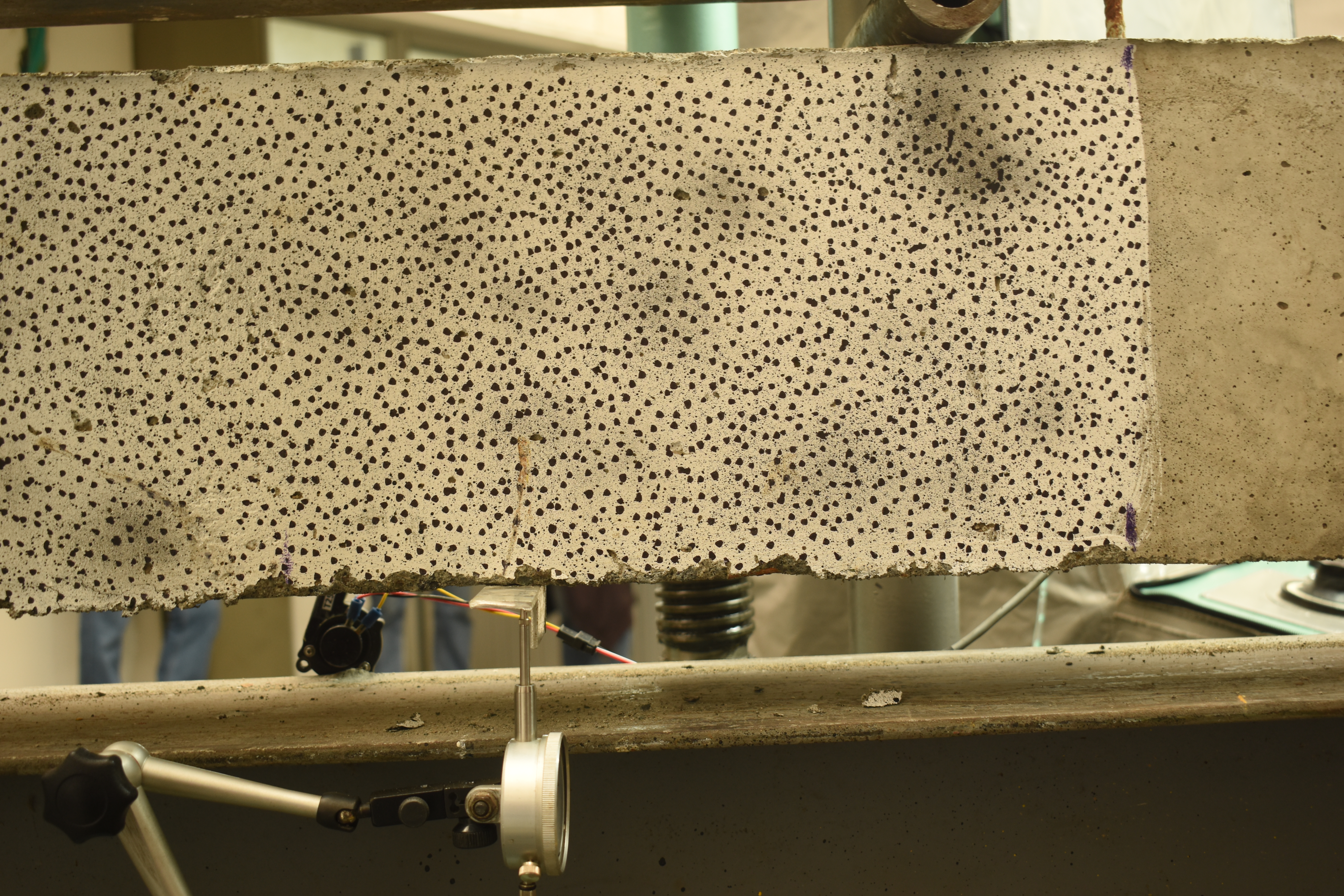
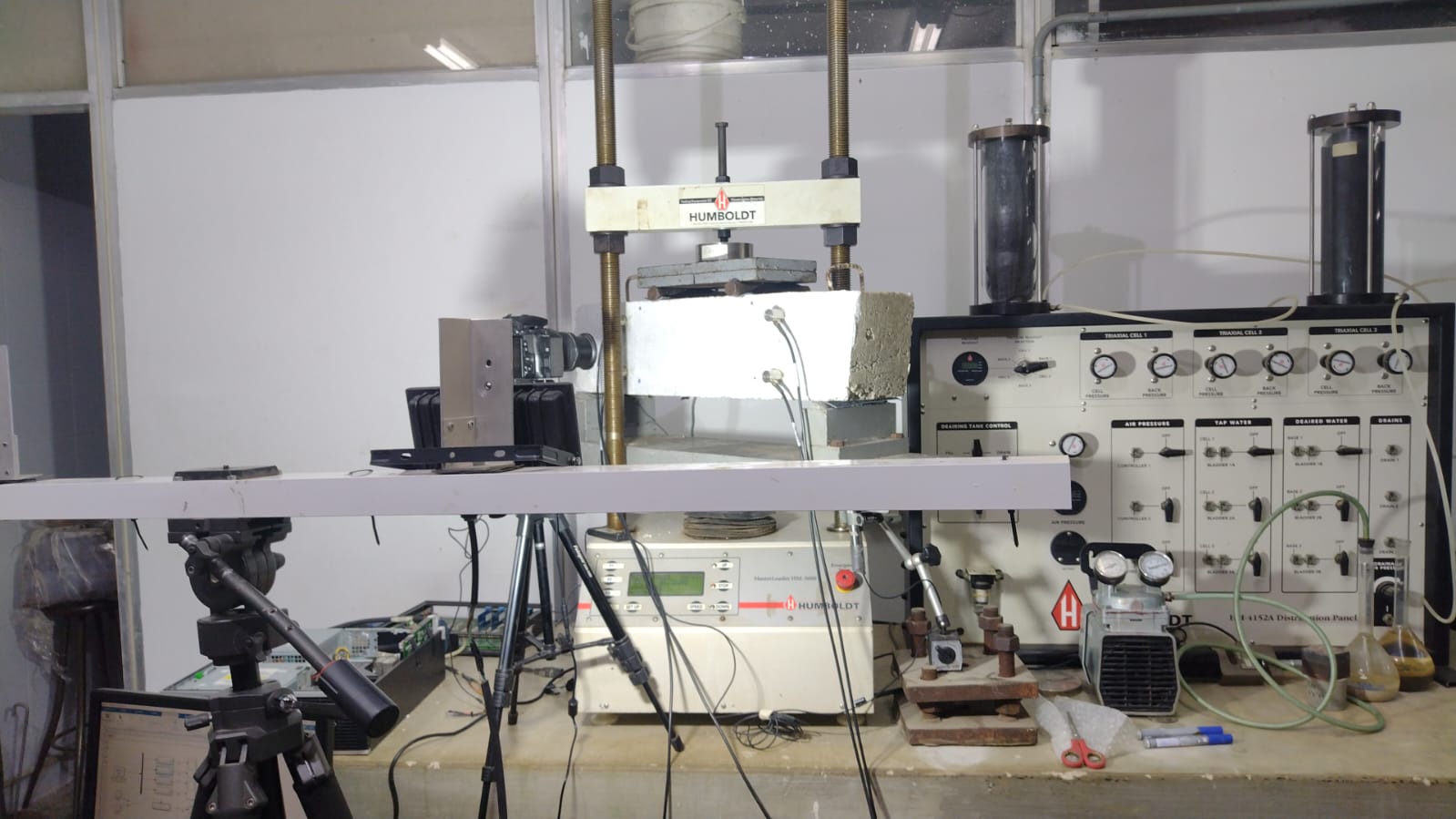
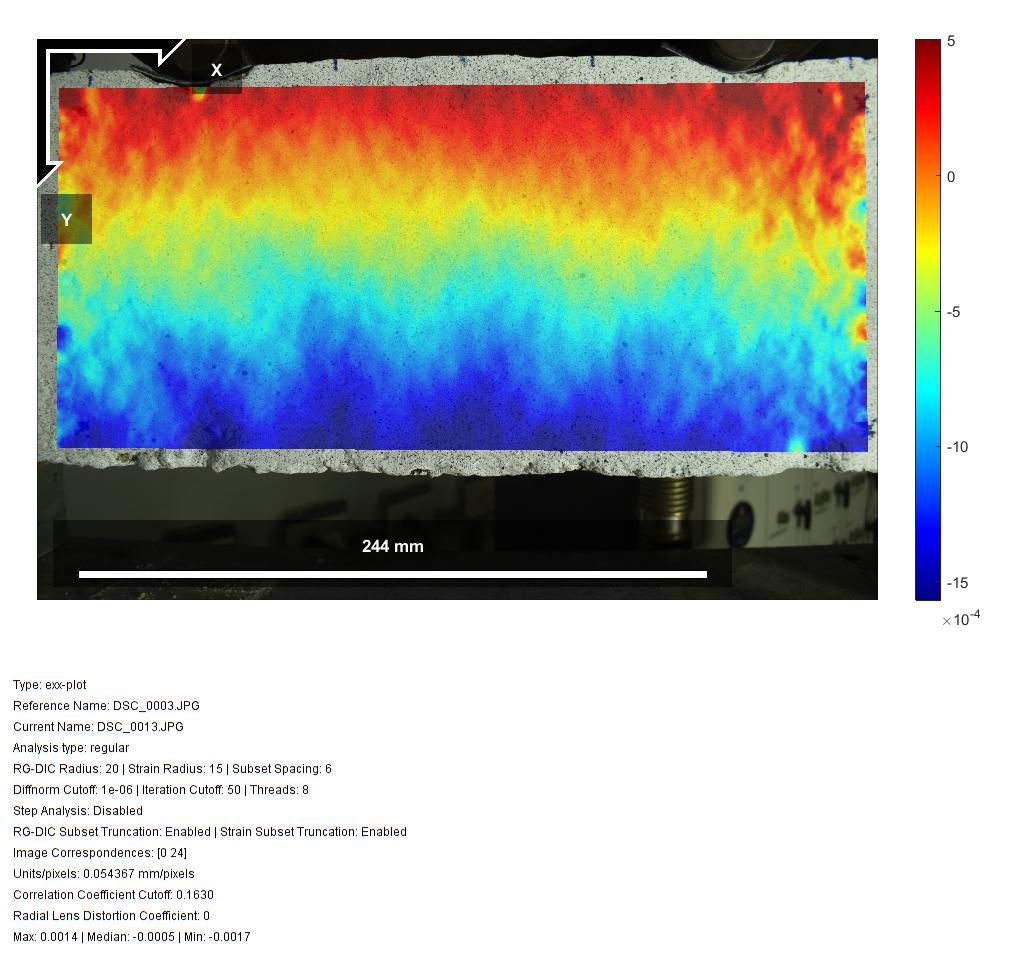
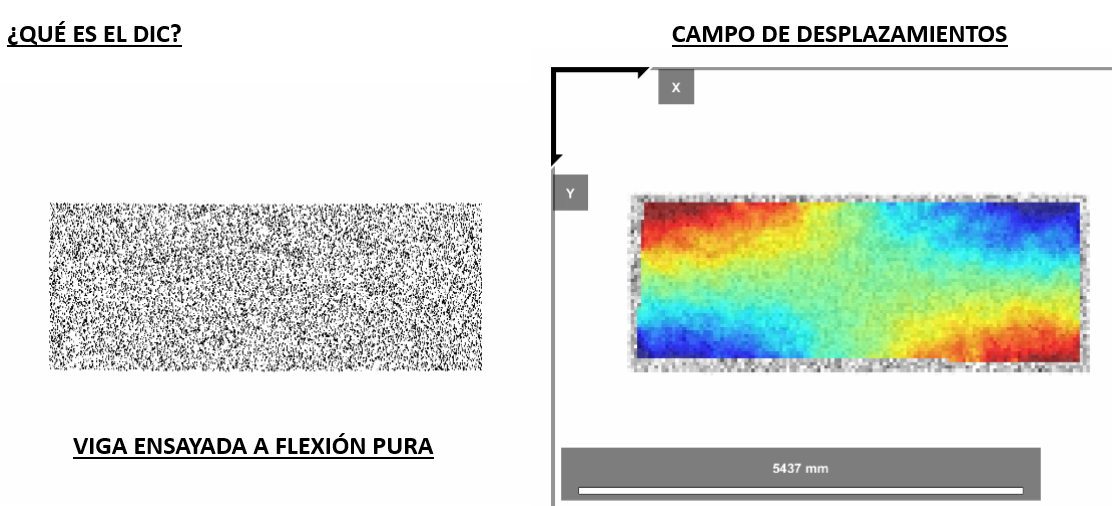
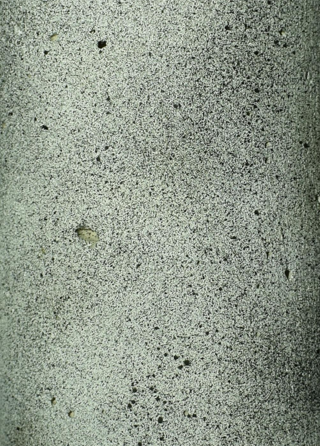
For beam tests, 2D DIC was selected because the monitored face of the beam is planar, and under the applied loading conditions the out-of-plane rotation is negligible. A single camera was positioned perpendicular to the beam face to capture a high-resolution image sequence throughout the loading process. The speckle pattern (random black dots on a white painted surface) was hand-applied to ensure high-contrast texture for the correlation algorithm.
Processing with Ncorr
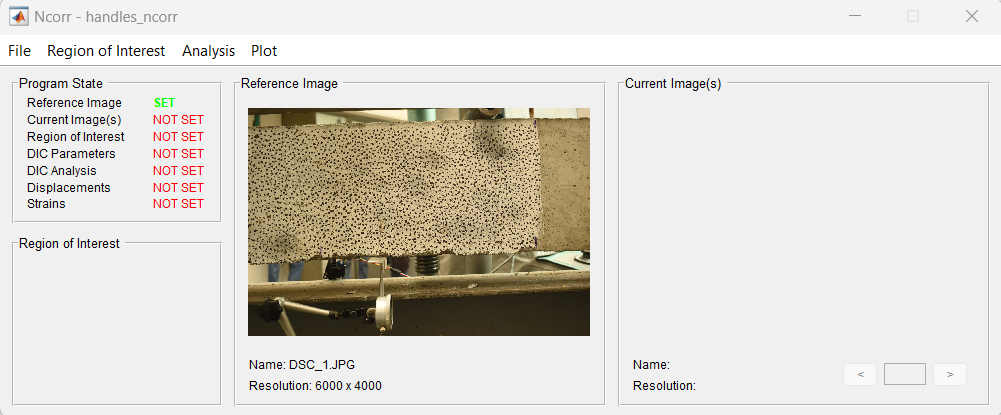
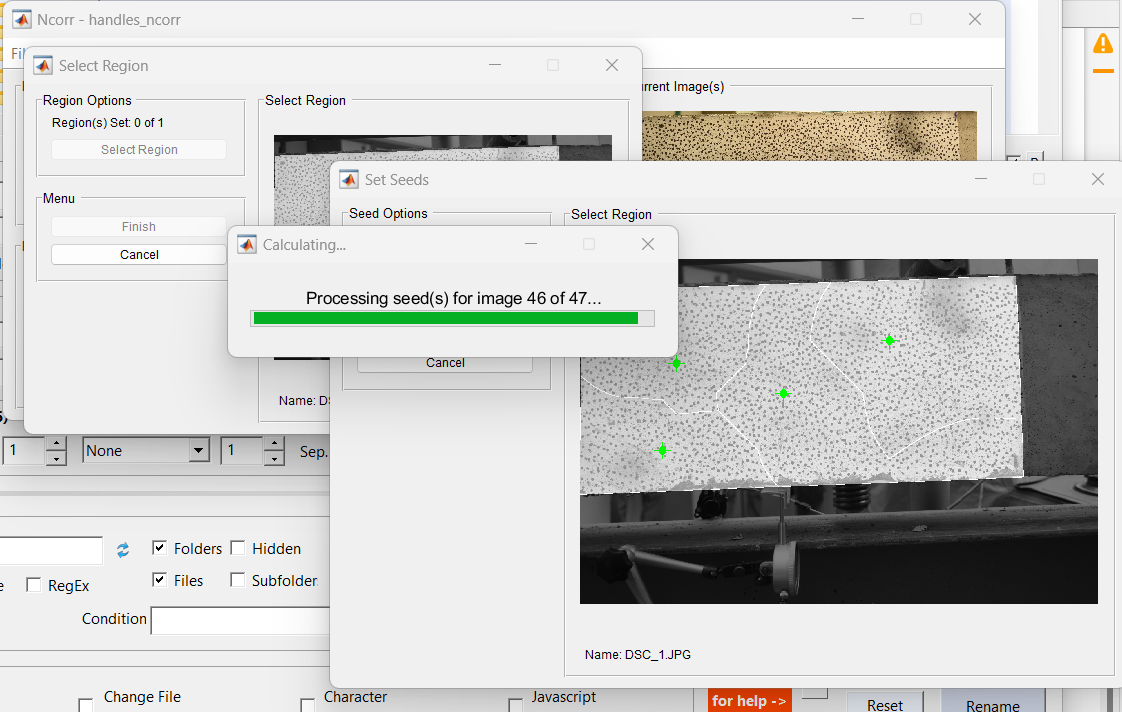
Processing was done in Ncorr (MATLAB), an open-source 2D DIC toolbox implementing the Reliable Region DIC (RO-DIC) algorithm. A Region of Interest (ROI) was defined on the reference image, and the correlation algorithm tracked displacement of each subset across all subsequent load-step images.
Strain Field Results
The DIC output produces a spatially continuous map of surface strains — enabling identification of strain gradients, neutral axis location, and comparison with analytical beam theory predictions.
Part 2 — Cylinder Tests & Thesis
3D DIC + Multi-Sensor Instrumentation
The undergraduate thesis focused on quantifying the uncertainty in the Modulus of Elasticity of Concrete by combining multiple measurement sources — 3D DIC, strain gauges, and LVDTs — within a Bayesian probabilistic framework.
Cylinder Instrumentation
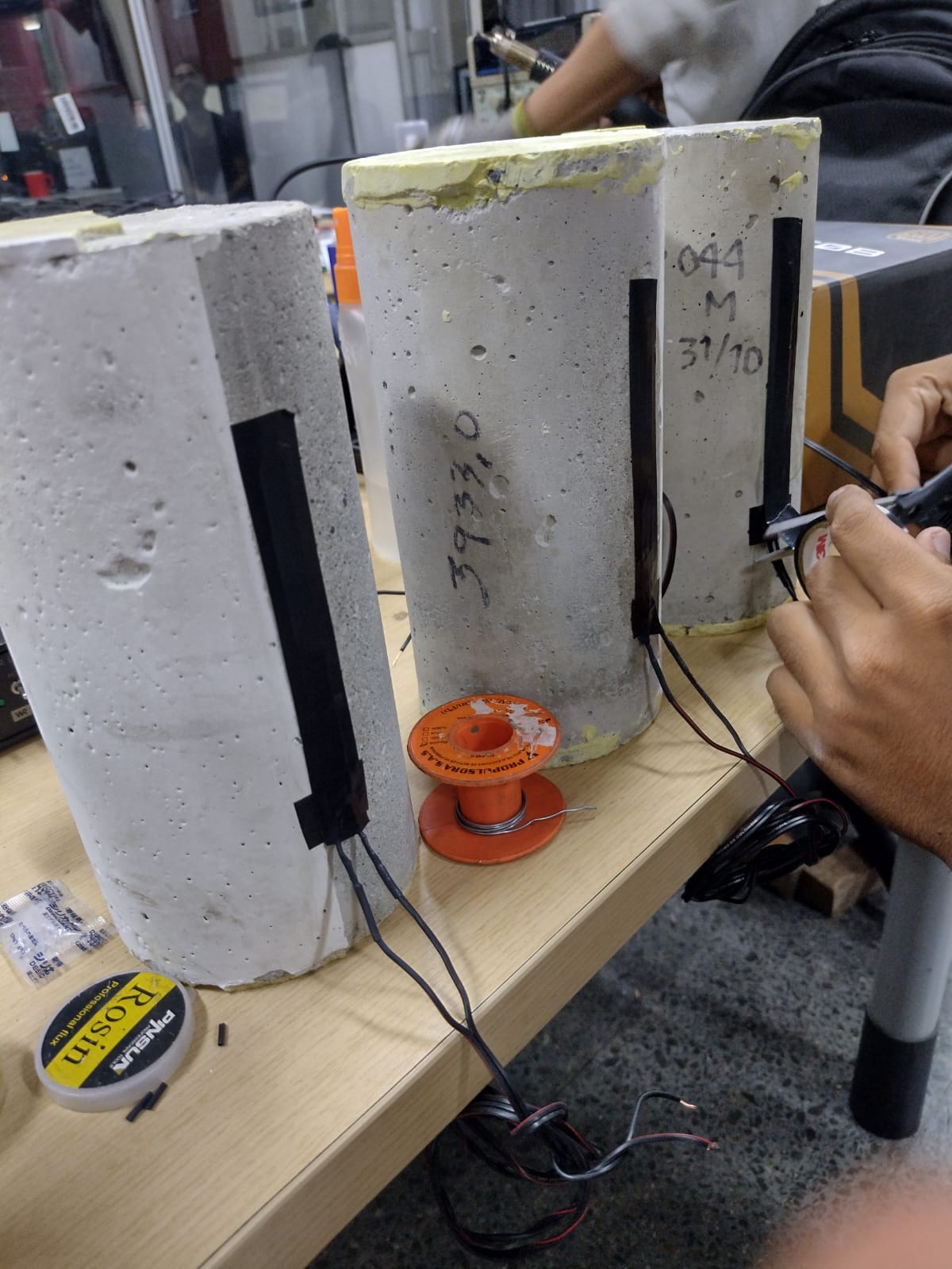
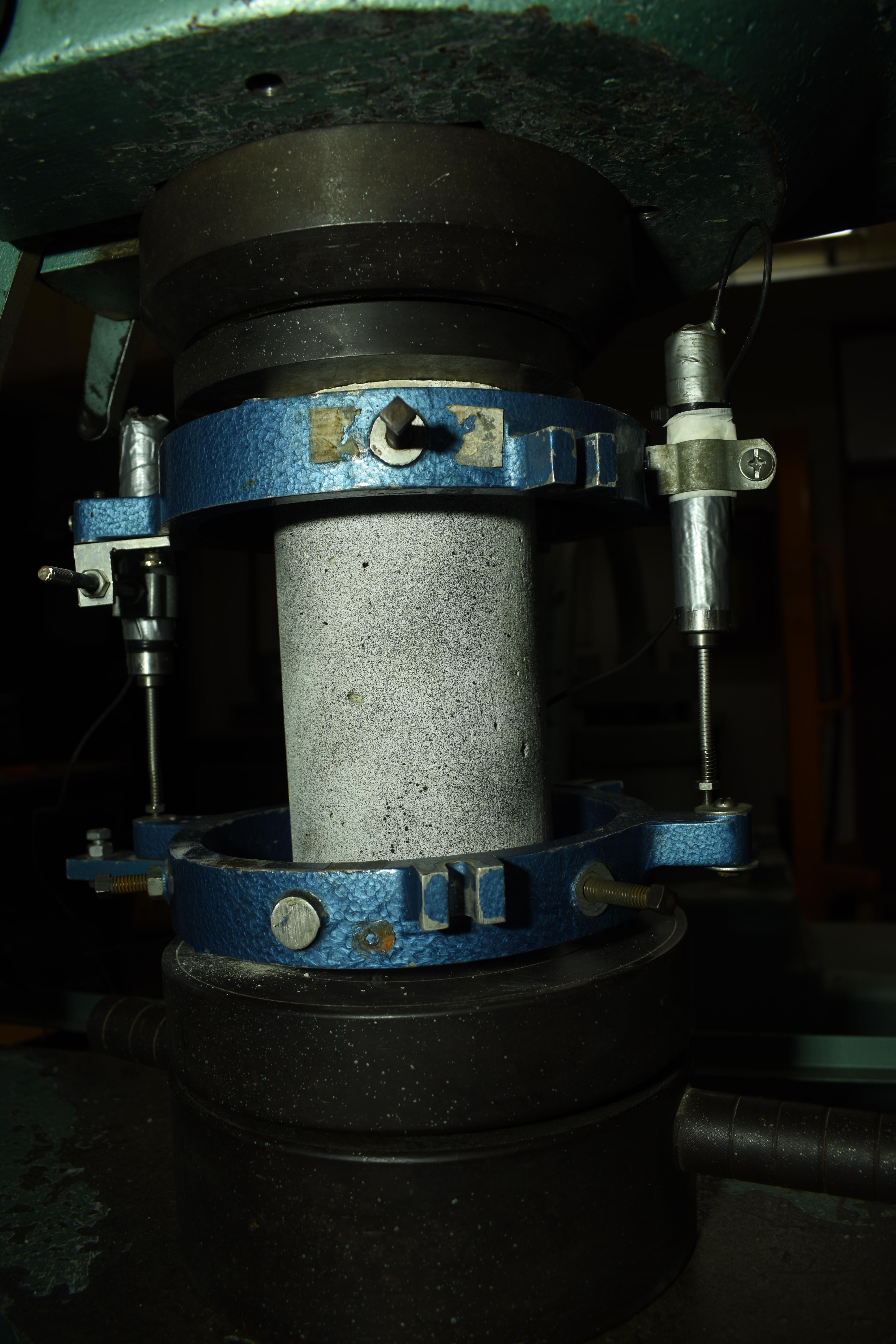
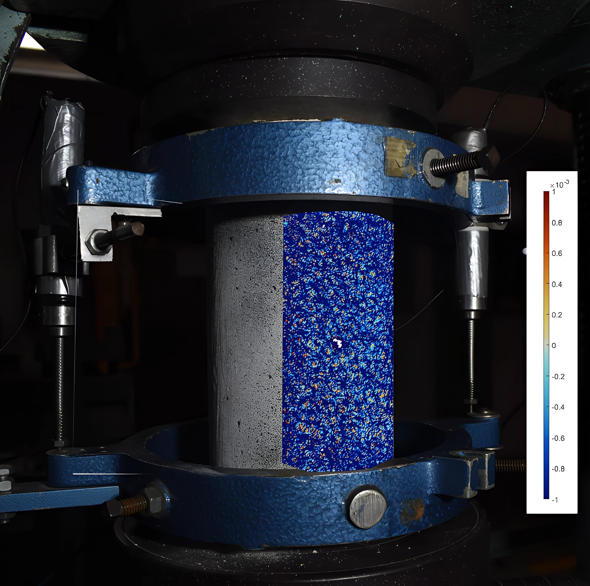
Standard concrete cylinders (150 mm × 300 mm) were instrumented with electrical resistance strain gauges bonded directly to the cylinder surface, complemented by LVDTs for displacement measurement. Three independent measurement channels were available for each specimen: DIC, strain gauges, and LVDTs.
3D DIC with DuoDIC
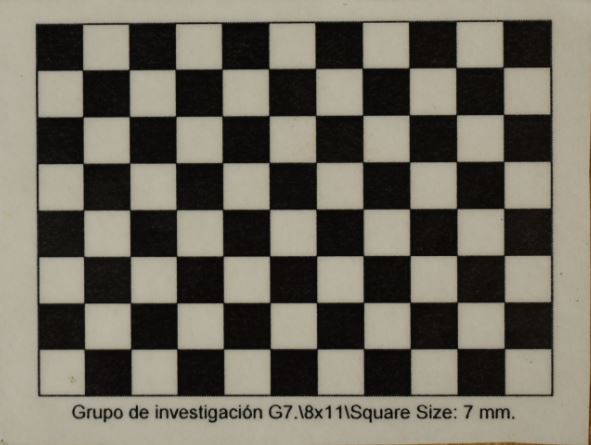
For concrete cylinders, the curved geometry made 2D DIC unsuitable — a stereoscopic (3D) DIC setup was used instead. The software DuoDIC (open-source, developed by Dana Solav) implements a full stereo DIC pipeline in MATLAB: stereo camera calibration, 2D DIC on each camera independently (via Ncorr), and 3D reconstruction of the full displacement field.
Part 3 — Bayesian Uncertainty Quantification
Probabilistic material characterization
The central thesis contribution is a Bayesian framework for uncertainty quantification of material properties, applied separately to concrete and steel.
Concrete: Modulus of Elasticity
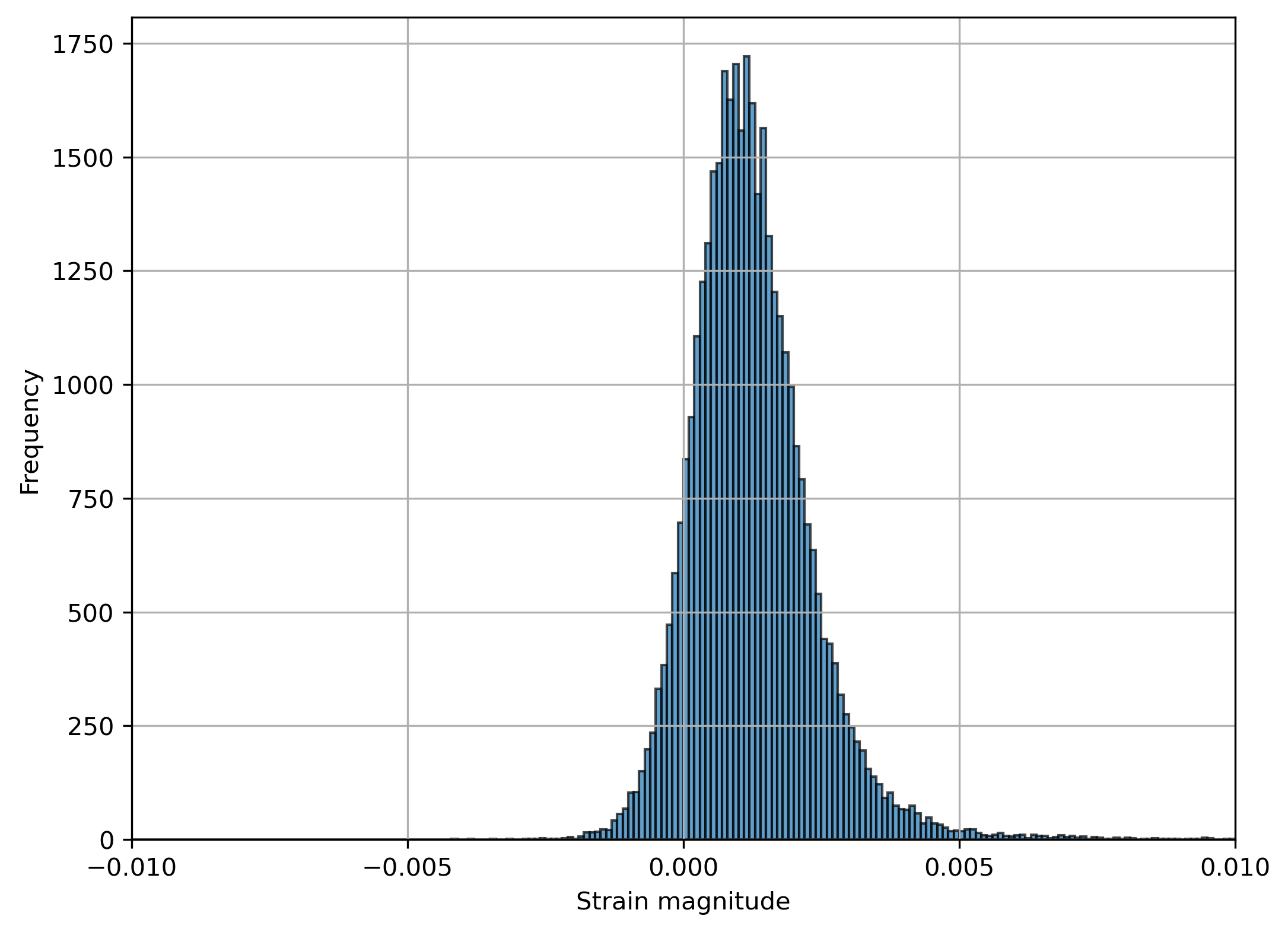
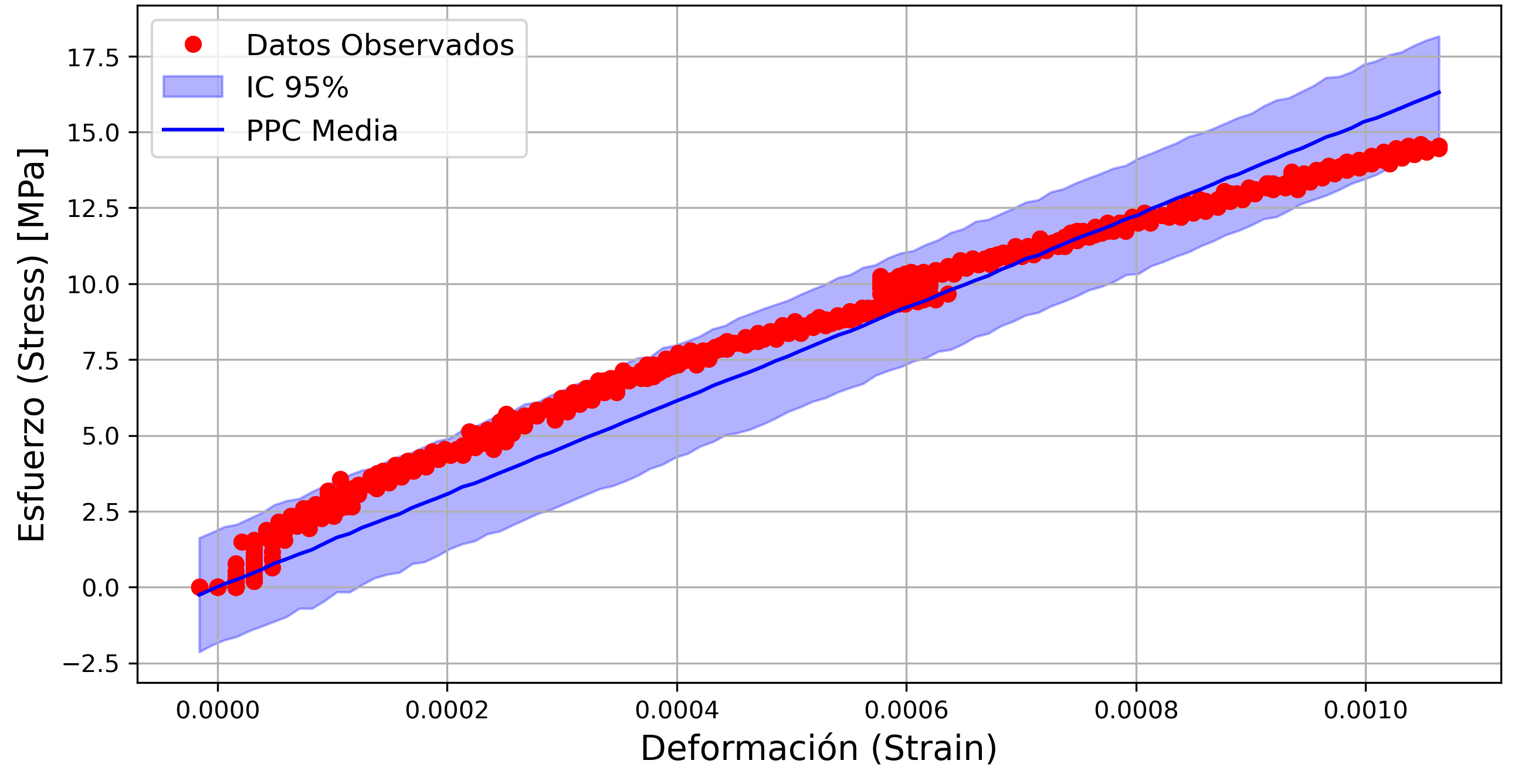
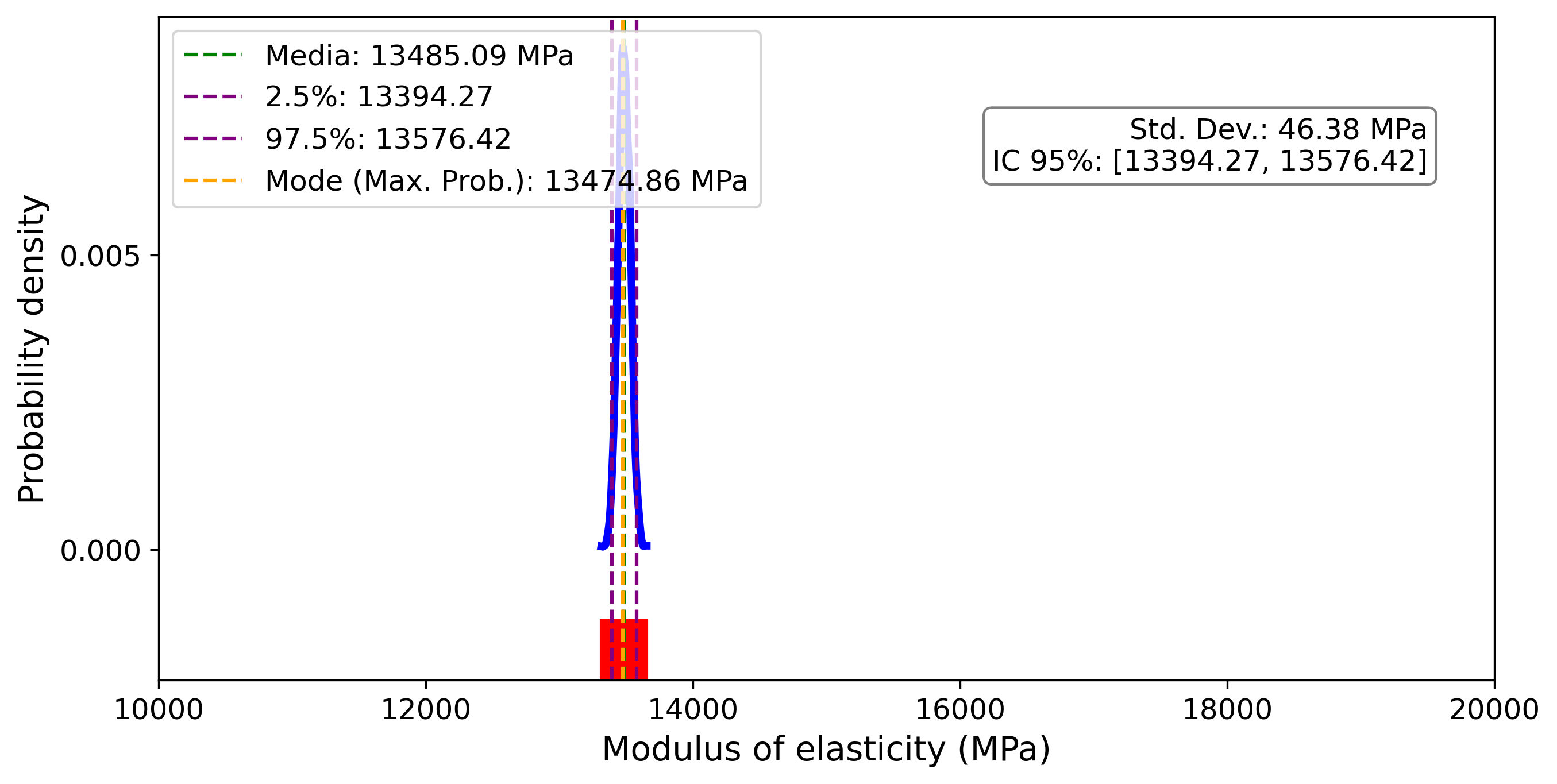
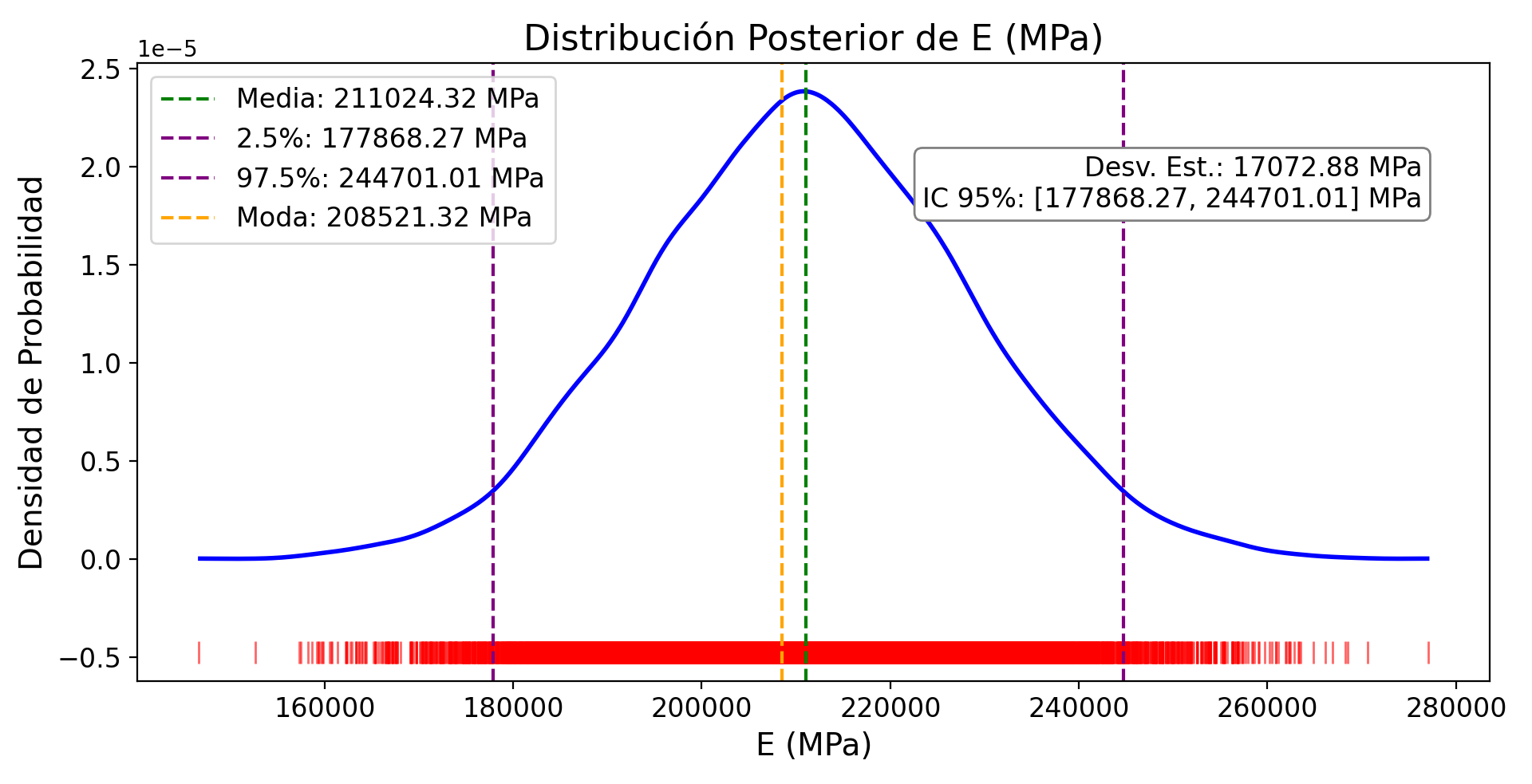
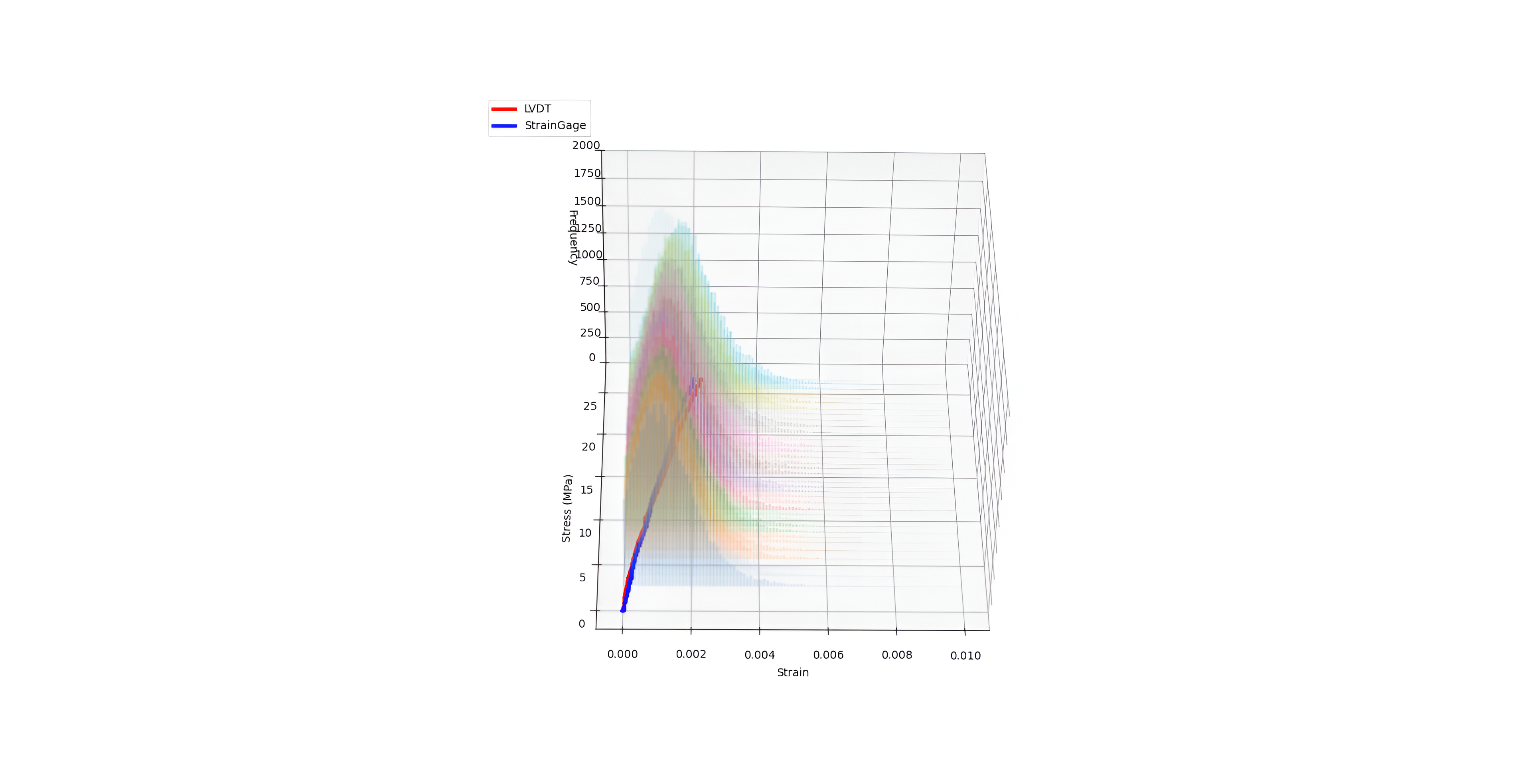
For concrete cylinders, DIC strains, strain gauge readings, and LVDT displacements provided three independent estimates of the compressive strain at each load step. A Bayesian model was built in PyMC to fuse these sources, producing a posterior probability distribution of E rather than a single deterministic value. The posterior reflects both the measurement variability across sensor types and the scatter between specimens.
Steel: GMP Constitutive Model Calibration
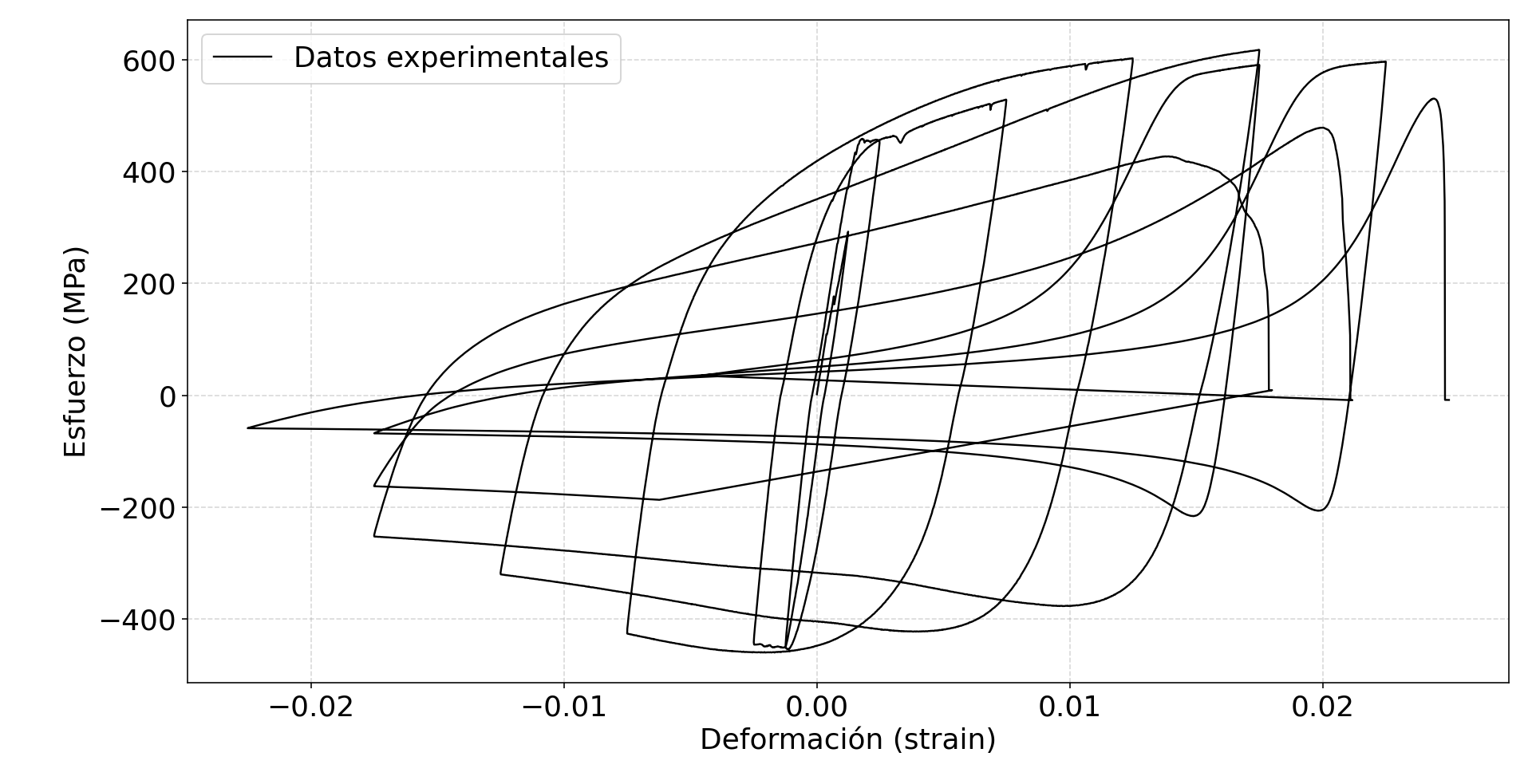
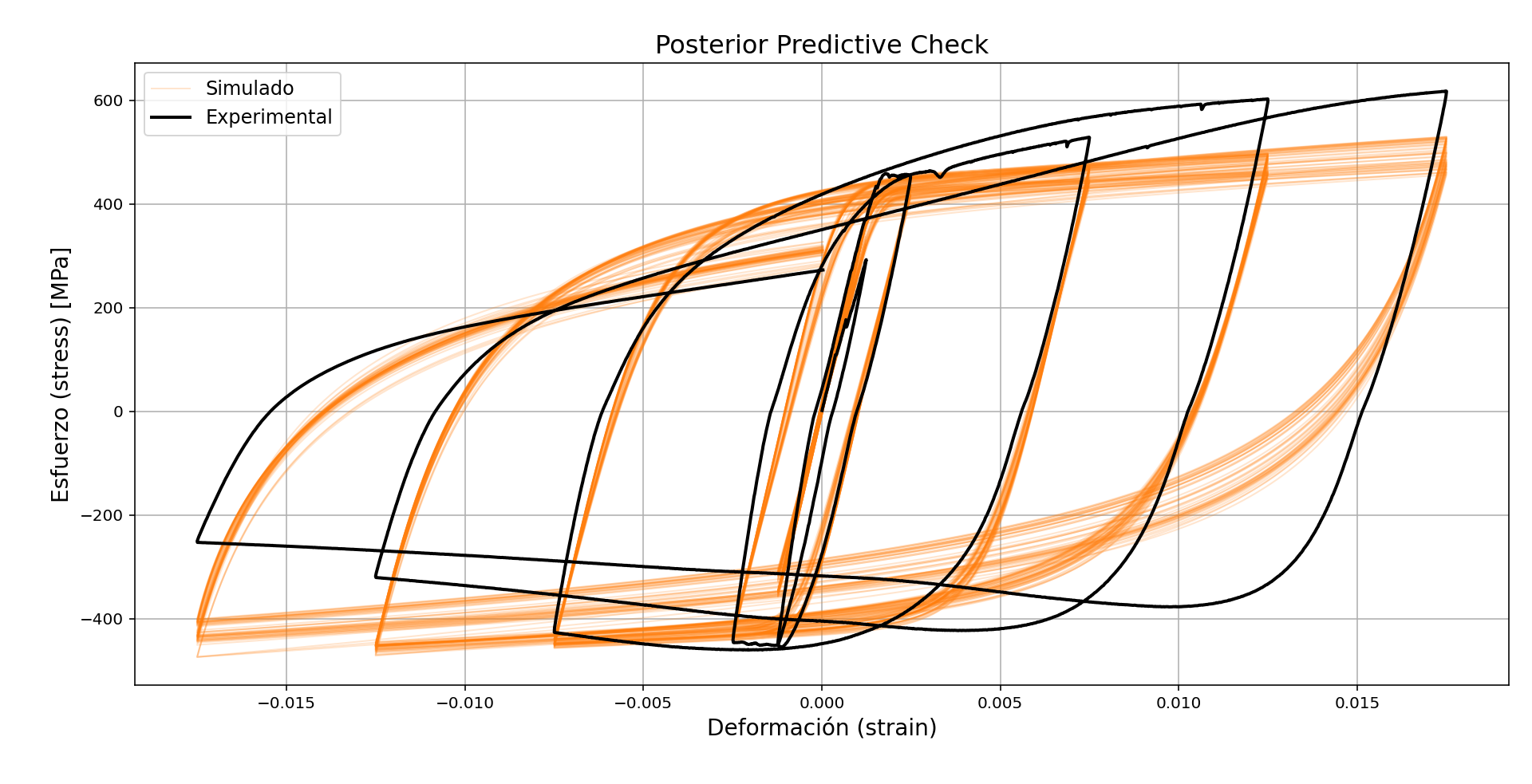
For structural steel reinforcing bars, instrumentation consisted of LVDTs and electrical strain gauges under cyclic loading — reproducing seismic demand on rebar. The measured stress-strain hysteresis curves were used to calibrate the Giuffré-Menegotto-Pinto (GMP) constitutive model in OpenSees, with Bayesian calibration implemented using Emcee (an affine-invariant MCMC ensemble sampler in Python).
MCMC Sampling
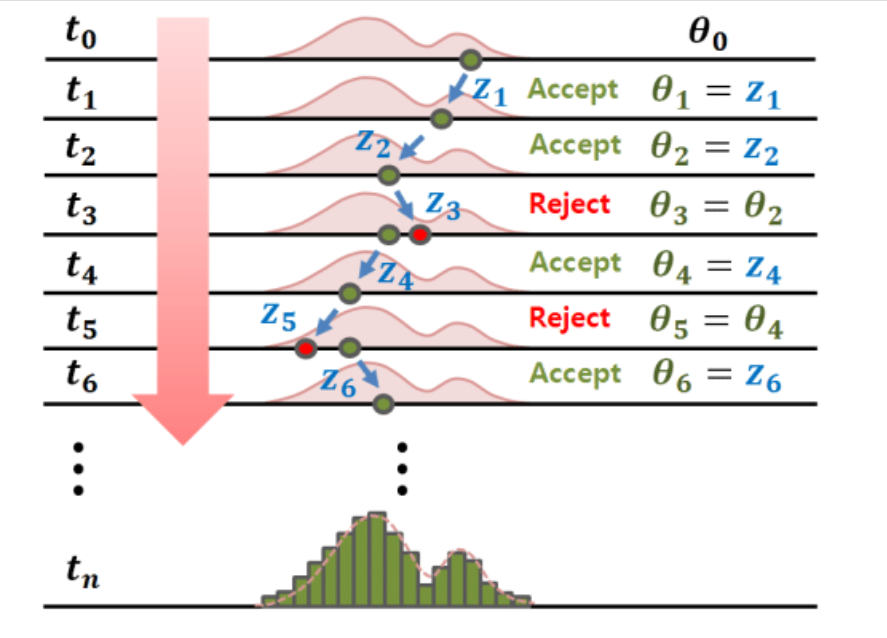
Both calibrations use Markov Chain Monte Carlo (MCMC) sampling to explore the posterior distribution. The algorithm proposes parameter values iteratively, accepting or rejecting each proposal based on its likelihood given the observed data.
Key Results
Concrete E posterior distribution obtained by fusing three independent sensor types (3D DIC, strain gauges, LVDTs) — revealing systematic biases between measurement methods not visible with deterministic analysis.
Steel GMP model fully calibrated probabilistically from cyclic data — posterior predictive checks confirm excellent agreement with experimental hysteresis.
2D DIC on beams validated against strain gauge measurements at multiple cross-sections, demonstrating consistency of full-field and point measurements across 5.5 m specimens.
Tools & Stack
| Category | Tools |
|---|---|
| DIC (2D) | Ncorr (MATLAB, open-source) |
| DIC (3D stereo) | DuoDIC (MATLAB, open-source — Dana Solav) |
| Bayesian inference — concrete | PyMC (Python) |
| Bayesian inference — steel | Emcee (Python affine-invariant MCMC) |
| Structural simulation | OpenSees (GMP model verification) |
| Data acquisition | Electrical resistance strain gauges, LVDTs, DAQ system |
| CAD / Test design | Autodesk Inventor |
Publications & Presentations
Uncertainty Quantification of Experimental Characterization for Concrete's Modulus of Elasticity
J. Orozco, A. R. Ortiz, P. Thomson · Universidad del Valle
ACI Structural Journal (American Concrete Institute), 2025
Bayesian Quantification of Structural Material Properties Using DIC
XI Congreso Nacional de Ingeniería Sísmica (CNIS XI, 2024)
Bucaramanga, Colombia
Connection to AI & Structural Engineering
- › DIC as computer vision: The correlation algorithm tracks image texture patterns frame-by-frame, analogous to optical flow used in video-based structural health monitoring and AI-driven inspection platforms.
- › Bayesian inference as probabilistic ML: The PyMC / Emcee pipelines are functionally equivalent to probabilistic programming models used in Bayesian neural networks and physics-informed ML for engineering.
- › Full-field data as the bridge to digital twins: Spatially distributed DIC measurements are precisely the sensor data format that feeds structural health monitoring systems and digital twin platforms.
For code samples, data, and additional figures: orozco.juan@correounivalle.edu.co